At St Andrew’s Church in Heckington, Lincolnshire, the stonework opens a door onto the troubled reign of Edward II. Richard de Potesgrave, rector of the parish and a royal chaplain, lies in the chancel. His story connects this remarkable church to the king’s court, to a siege in Kent, and finally to Edward’s funeral at Gloucester.
A rector in the king’s service
Local church information says Edward II instituted Potesgrave as rector in 1309. The surviving royal records give us firmer glimpses of his career: he is called the king’s chaplain in 1308 and the parson of “Hekynton” in a pardon of March 1319. That small record concerns land beside the parsonage, a wonderfully ordinary detail in the life of a man who also moved through extraordinary events.
In November 1321, after Edward II took Leeds Castle in Kent, Potesgrave was given custody of lands and goods belonging to three of its defenders. The Fine Rolls explicitly call him the king’s chaplain. He was clearly trusted with practical royal business as well as religious duties. This was the court of a king whose quarrels with powerful nobles had already cost Piers Gaveston his life in 1312. I have found no evidence that Potesgrave knew Gaveston, but the two stories belong to the same reign and the same dangerous political world.
Beside Edward II at Gloucester
The most arresting link comes after Edward’s deposition and death in 1327. An account of the arrangements for his body names Potesgrave and Bernard de Burgh as royal chaplains who remained with it at Gloucester from 20 October until 5 December, before the burial on 20 December. Years later, in 1334, Potesgrave personally brought his control roll to the Exchequer and swore to the account of the carriage and keeping of the body. Here the rector of a Lincolnshire parish appears at the very end of Edward II’s story.
That does not tell us what Potesgrave thought of Edward, Gaveston, or the king’s fall. It does show the closeness of his service to the royal household across a turbulent change of reign. He continued to be described as a royal chaplain under Edward III.
The church that remembers him
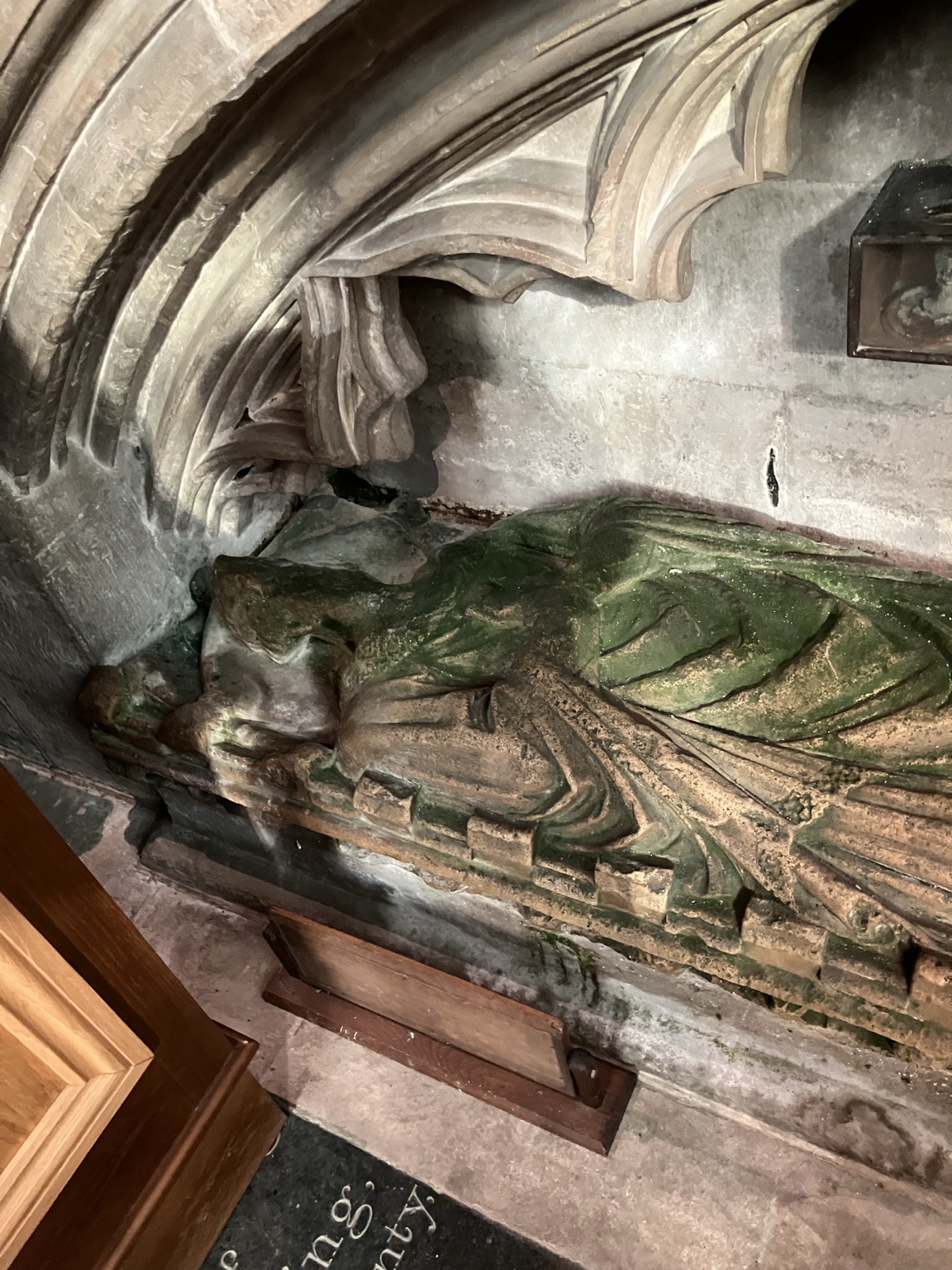
St Andrew’s is one of the great fourteenth-century churches of Lincolnshire. Potesgrave is traditionally associated with the magnificent chancel, where his damaged effigy survives beneath an elaborate recess. Exactly how much of the building he paid for is harder to establish than the local tradition suggests. Yet his tomb leaves a compelling physical link between Heckington and the court of two Edwards.
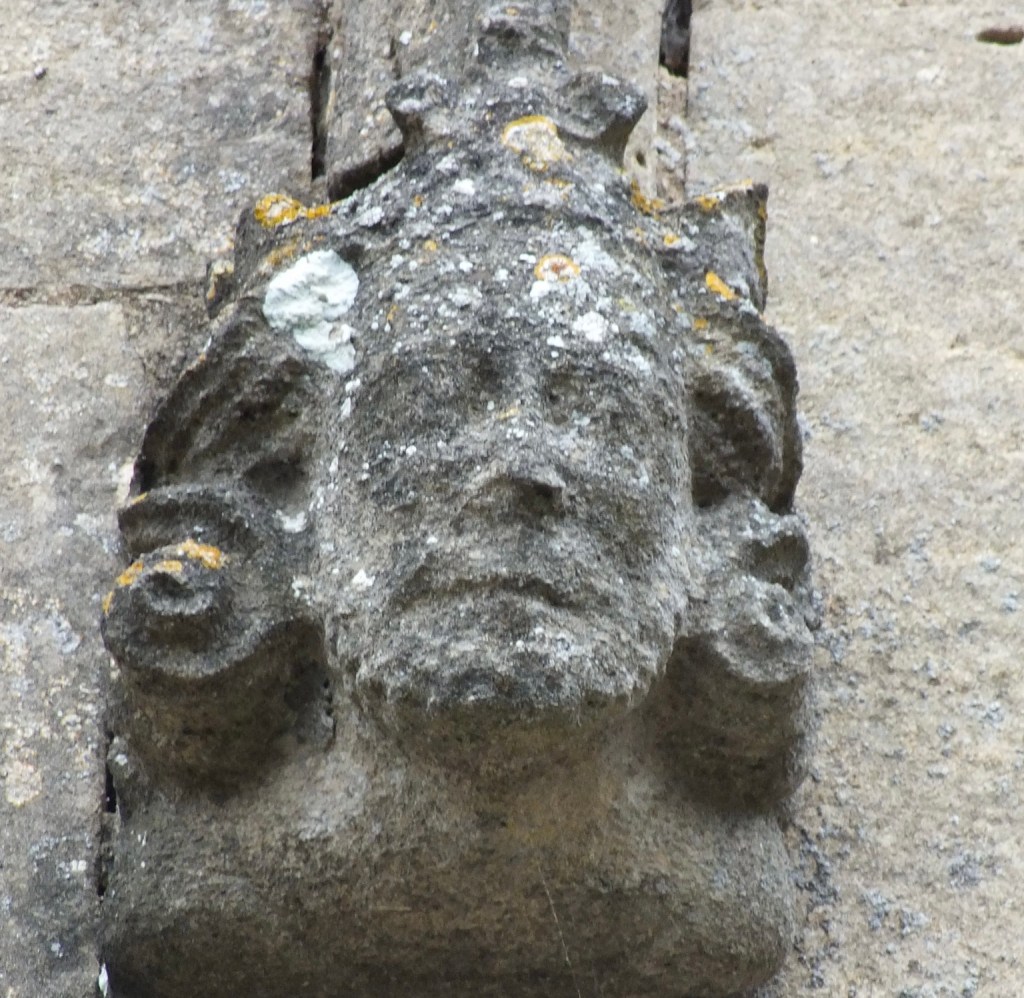
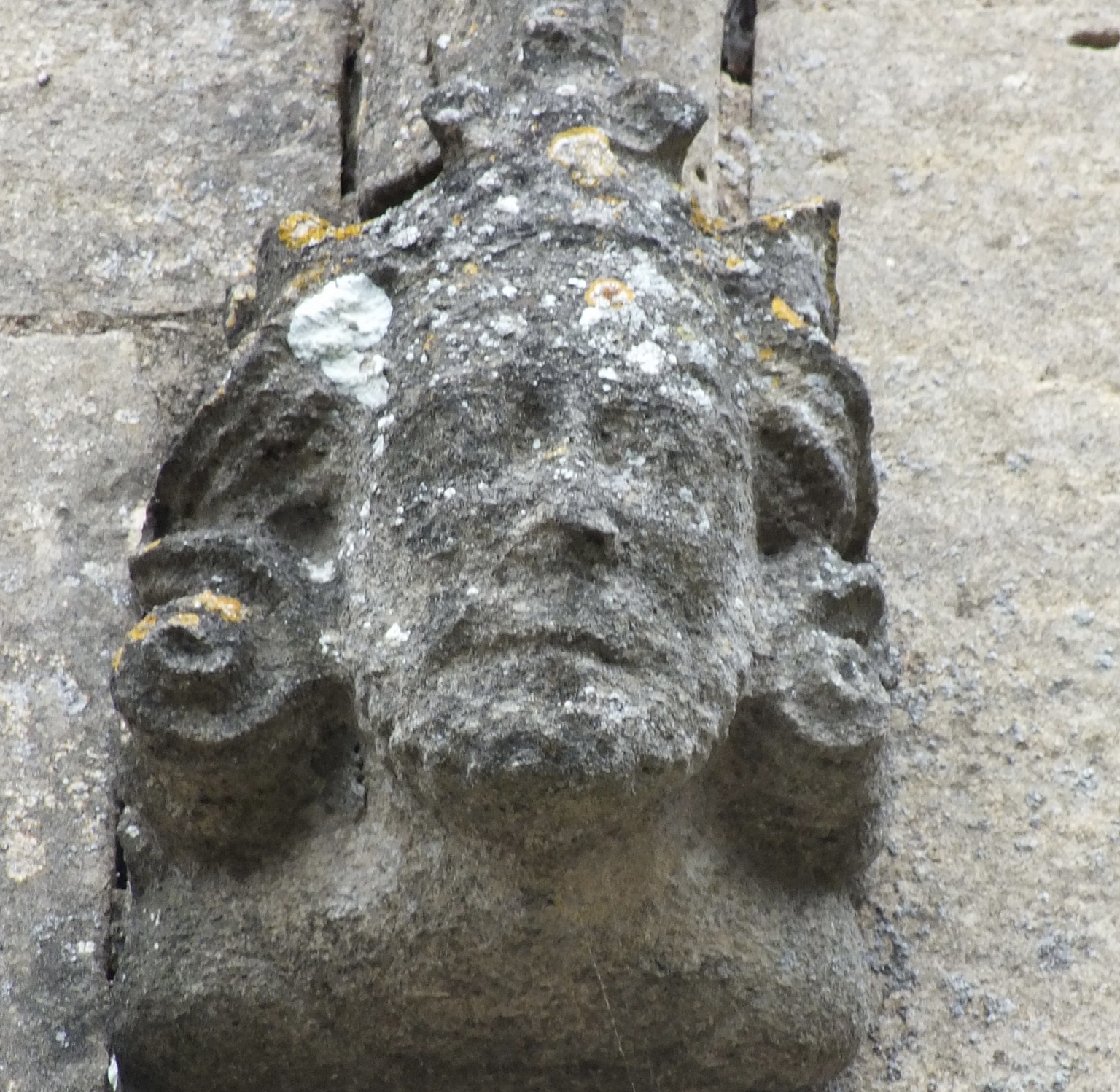
Outside, two weathered carved heads have been identified to me as Edward II and Isabella. One historian has suggested that a king’s head here might represent Edward II. I would be cautious about treating either identification as certain: medieval faces in stone seldom come with a label. They invite us to look closely, and to ask what a royal chaplain’s church meant to the people who built it.
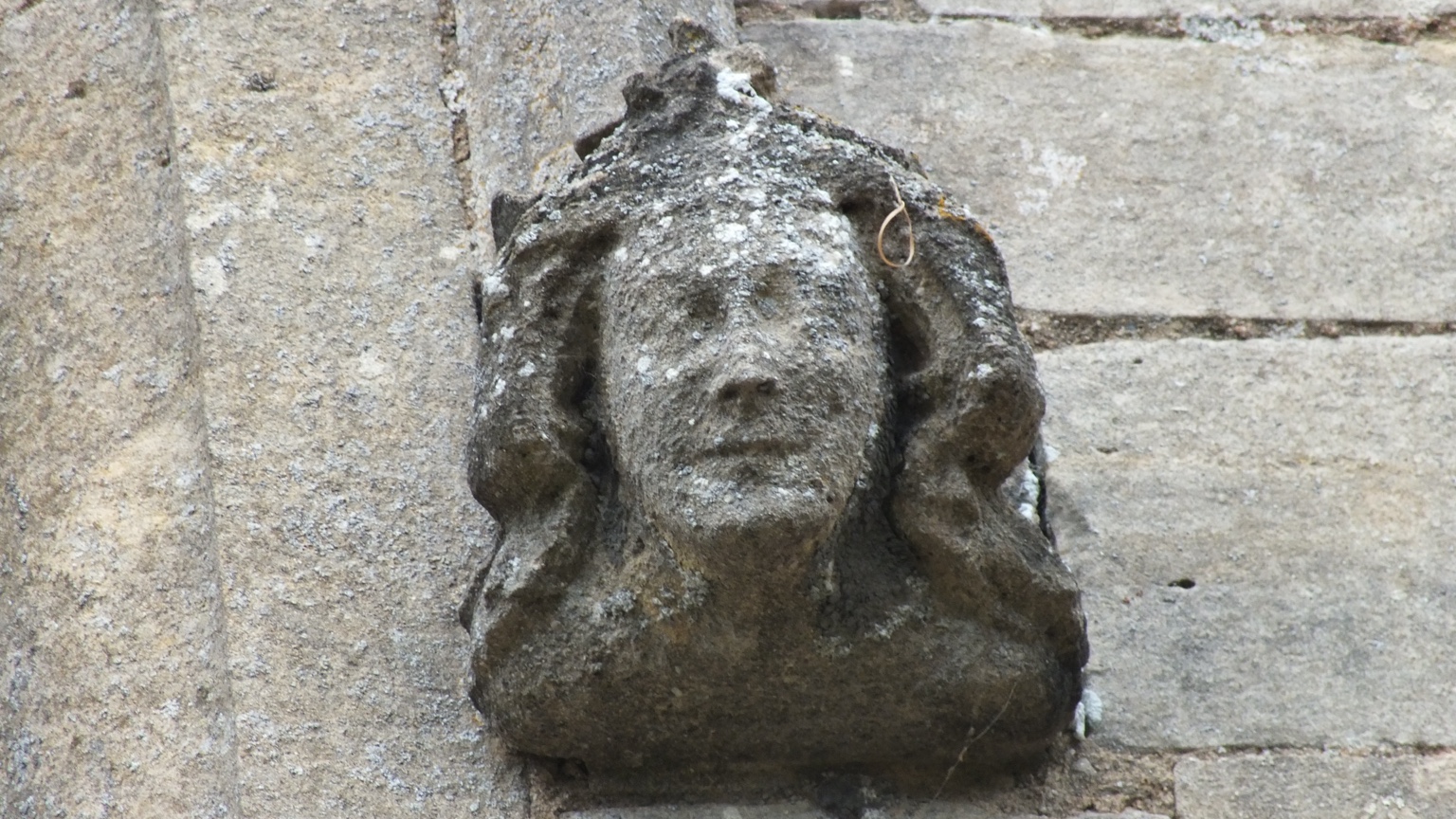
For me, that is the pleasure of Heckington. A name in a roll, an effigy in a chancel and faces high on the wall draw a line from a Lincolnshire village to the drama of Edward II’s reign.
Sources and further reading
- St Andrew’s, Heckington: parish guide
- Historic England listing for St Andrew’s
- Calendar of Fine Rolls, 4 November 1321; see also Calendar of Patent Rolls, 18 March 1319.
- Roy Martin Haines, “Roger Mortimer’s Scam”, Transactions of the Bristol and Gloucestershire Archaeological Society 126 (2008), pp. 139–156, especially pp. 140–141, on Potesgrave and Edward II’s body.
- Dictionary of Irish Biography: Piers Gaveston.

