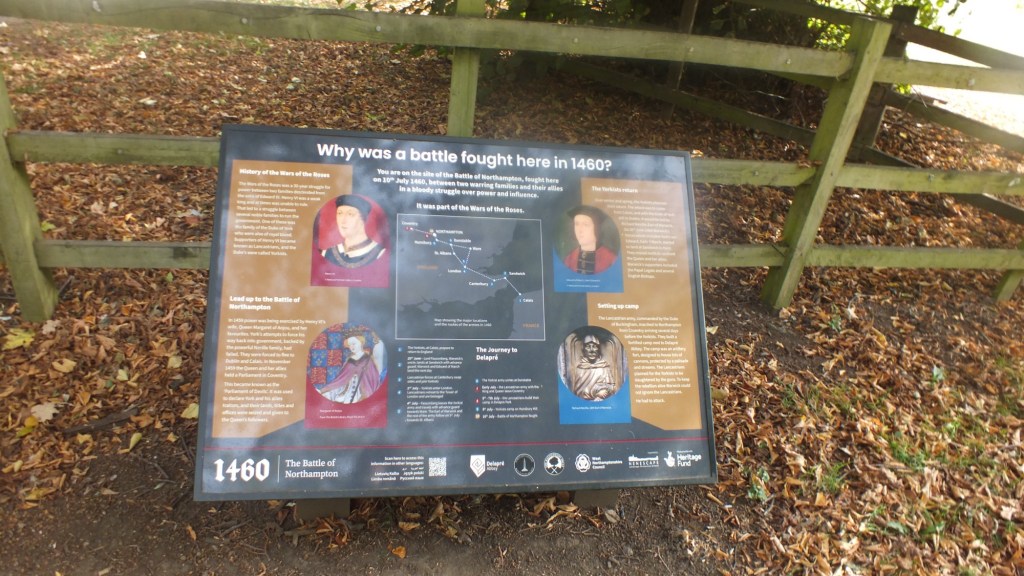
The Battle of Northampton, fought on 10 July 1460, is sometimes overshadowed by Towton and Bosworth. Yet its consequences were extraordinary. Henry VI was captured, several leading Lancastrian noblemen were killed, and a struggle over the government of England moved closer to an open contest for the crown.
For me, there was another reason for visiting. I have recently completed my biography of Eleanor Neville, Countess of Northumberland, for Pen & Sword. Following her life has taken me to places where her family’s fortunes changed, often terribly. At Northampton, her son Thomas Percy, Lord Egremont, was killed.
Walking around Delapré Abbey and the surrounding landscape brought that loss into focus. Before turning to Eleanor, though, it is worth asking why these armies were here at all.
Why Northampton?
The fighting grew out of a prolonged struggle over Henry VI’s government. Richard, Duke of York, and his allies challenged the men around the king; in 1460 they still claimed to be acting in Henry’s interests. The contest had already drawn in bitter rivalries between noble families, including the Percys and Nevilles.
After their collapse at Ludford Bridge in October 1459, the Yorkist leaders fled abroad. York went to Ireland; Richard Neville, Earl of Warwick, his father the Earl of Salisbury, and York’s son Edward, Earl of March, took refuge at Calais. Their defeat had seemed decisive. In June 1460, however, the Calais leaders returned to Kent and advanced to London.
Warwick and Edward then marched north towards Henry’s army. The king’s supporters occupied a defended camp near Delapré, south of Northampton and close to the River Nene. Northampton was therefore a confrontation between the royal army and opponents whose return had rapidly overturned the apparent Lancastrian victory of the previous year.
Delapré Abbey: a nunnery beside a battlefield
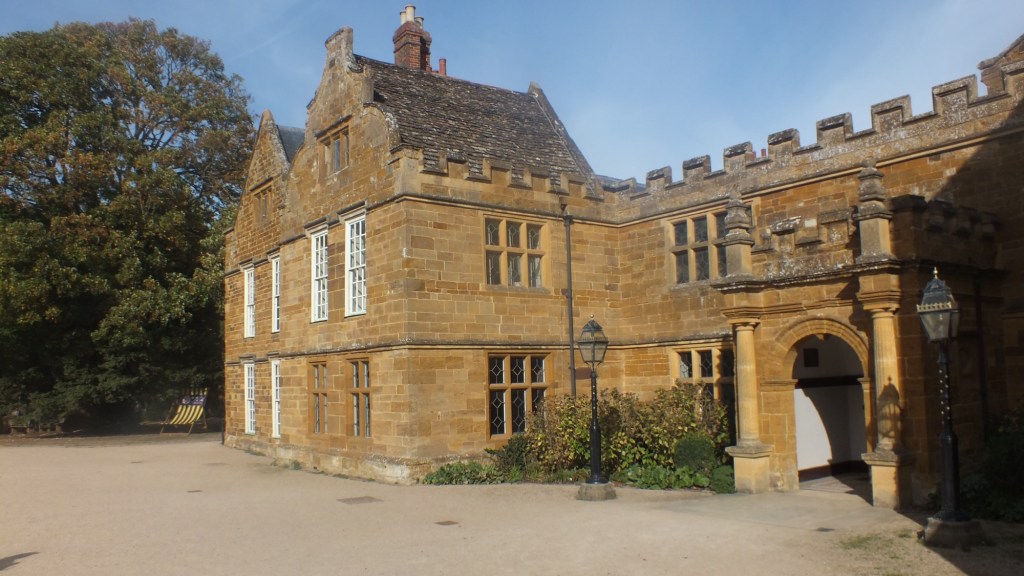
Delapré had been a place of women’s religious life for more than three centuries. Founded in 1145 by Simon de Senlis II, Earl of Northampton, the Abbey of St Mary de la Pré housed Cluniac nuns. Its name, “of the meadow”, belongs to the landscape in which the community lived and worshipped.
The building we see today should not be mistaken for the abbey as it stood in 1460. The nunnery was dissolved in 1538, and later owners transformed the site into a country house. Nevertheless, the setting gives a sense of how close the battle came to this religious community.
I found myself thinking about the women inside the abbey as the armies gathered. What could they hear? How much did they know about the danger outside? We cannot recover their individual reactions, but remembering their presence changes the scene. This was their home as well as the ground on which powerful men chose to fight.
10 July 1460: the king taken prisoner
The Lancastrian camp was protected by earthworks and a ditch. Its defenders also had artillery, although rain is traditionally blamed for making the guns ineffective. Against them came forces led by Warwick, Edward of March and William Neville, Lord Fauconberg. Negotiations failed, and the Yorkists attacked.
The decisive breach appears to have come through Edmund Grey, Lord Grey of Ruthin, whose troops helped the attackers into the camp. Once those defences were penetrated, the Lancastrian position collapsed. Men fleeing the fighting drowned in the Nene. Accounts differ over the numbers killed and the precise course of the action, so a neat description of every movement would give a misleading impression of certainty.
Among the dead were Humphrey Stafford, Duke of Buckingham; John Talbot, Earl of Shrewsbury; John Beaumont, Viscount Beaumont; and Thomas Percy, Lord Egremont. Henry VI survived, but became a prisoner. He was brought to Delapré, where he heard Mass before being taken to London.
Capturing Henry gave the Yorkists control of the king, but did not settle the succession. York returned and claimed the crown. The autumn’s compromise allowed Henry to remain king while making York his heir, disinheriting Henry’s son. This ensured that the struggle would continue.
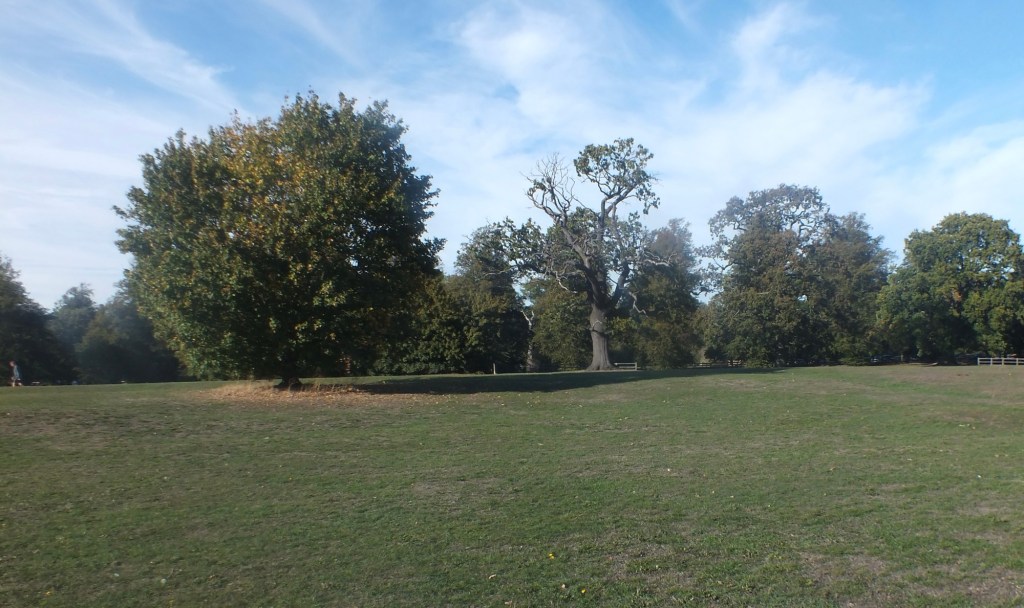
Thomas Percy, Eleanor’s son
Titles can make the people in this history curiously remote. We read that Egremont was killed, register another Lancastrian loss, and move on. Researching Eleanor has made it impossible for me to read that name quite so casually. Thomas was her son, and Northampton brought another bereavement into a family already damaged by the conflict.
He was also an active participant in the feuds of his generation. Recognising Eleanor’s loss does not require us to turn Thomas into an innocent bystander. The political and the personal belong together: a man could help perpetuate a violent rivalry and still leave a mother to grieve for him.
No surviving letter tells us how Eleanor received the news. I cannot supply words or feelings that she left unrecorded. But that silence is one of the difficulties of writing about medieval women. The public event is recorded; the private consequences often have to be approached much more cautiously.
A husband and four sons
Eleanor’s losses extended across almost a decade. Her husband, Henry Percy, 2nd Earl of Northumberland, was killed at the First Battle of St Albans on 22 May 1455. Thomas died at Northampton on 10 July 1460. On 29 March 1461, her son Henry, 3rd Earl of Northumberland, was killed at Towton.
I recently visited Towton and walked towards Bloody Meadow. Looking across ground associated with the defeated army’s flight made the familiar accounts of that battle harder to read with detachment. For Eleanor, its outcome included the death of another son.
William Percy, Bishop of Carlisle, died in 1462. His death belongs in this account of Eleanor’s bereavements, although he was not killed in battle. Then, on 25 April 1464, Ralph Percy was killed fighting for the Lancastrian cause at Hedgeley Moor.
A husband and four sons: Thomas, Henry, William and Ralph. Four of these five deaths were battlefield losses; William’s was a further family bereavement during the same troubled years. Eleanor survived them all. That is a substantial part of the human cost behind the campaigns and changes of king.
A family divided
Eleanor’s position was particularly painful to contemplate because the conflict cut across her own family. She was a daughter of Ralph Neville, Earl of Westmorland, and Joan Beaufort. Richard Neville, Earl of Salisbury, was her brother; Warwick was her nephew. Her sister Cecily was the wife of Richard, Duke of York, and mother of Edward of March, the future Edward IV.
Her marriage had made her Countess of Northumberland and placed her within the Percy family. At Northampton, the army in which her son died faced forces led by her own relatives. The labels “Lancastrian” and “Yorkist” are useful, but they can conceal just how closely connected these people were.
For women in such families, the consequences reached beyond the first news of a death. Bereavement could be followed by confiscation, uncertainty over inheritance and the need to protect children and grandchildren. Eleanor’s later life has to be understood within that wider disruption.
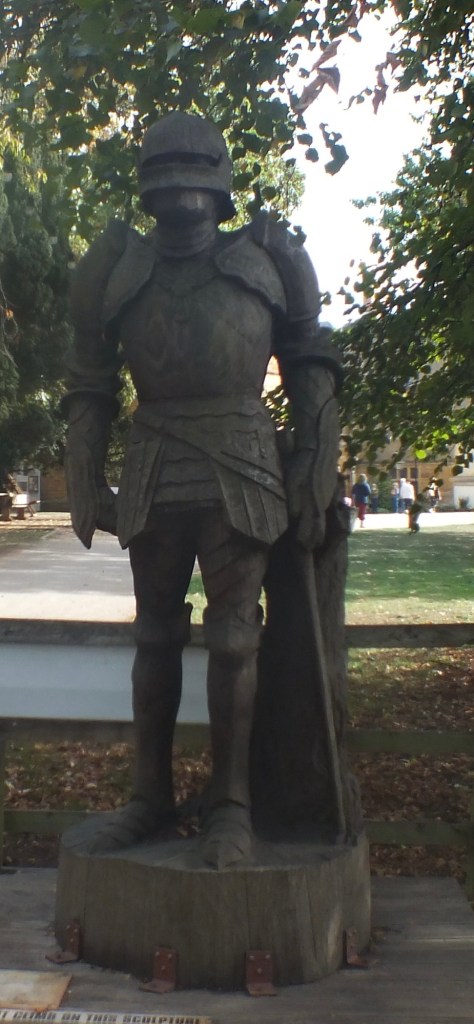
Finding Eleanor at Northampton
Visiting a battlefield cannot fill every gap in the records. The landscape has changed, and even the surviving accounts leave questions unresolved. I do not know where Eleanor was when she heard about Thomas, or who brought her the news. Standing at Delapré made me think about those questions again, without pretending that the place could answer them.
It also reminded me why I wanted to write her biography. Eleanor so often appears beside someone more famous: Joan Beaufort’s daughter, Cecily Neville’s sister, Northumberland’s wife. Following her own life brings those relationships together and reveals what the upheavals of the fifteenth century meant for one woman who endured them.
Northampton changed the balance of power in England. For Eleanor it also meant the loss of Thomas. Keeping those two things in view is central to the book I have been writing.
My forthcoming biography of Eleanor Neville, Countess of Northumberland, will be published by Pen & Sword. You can read more about how I came to her story in Why Katherine Swynford Led Me to Eleanor Neville.
For more on the place and the battle, see Historic England’s battlefield entry, Delapré Abbey’s history and John Rickard’s account of the campaign.


Leave a Reply